 muppazine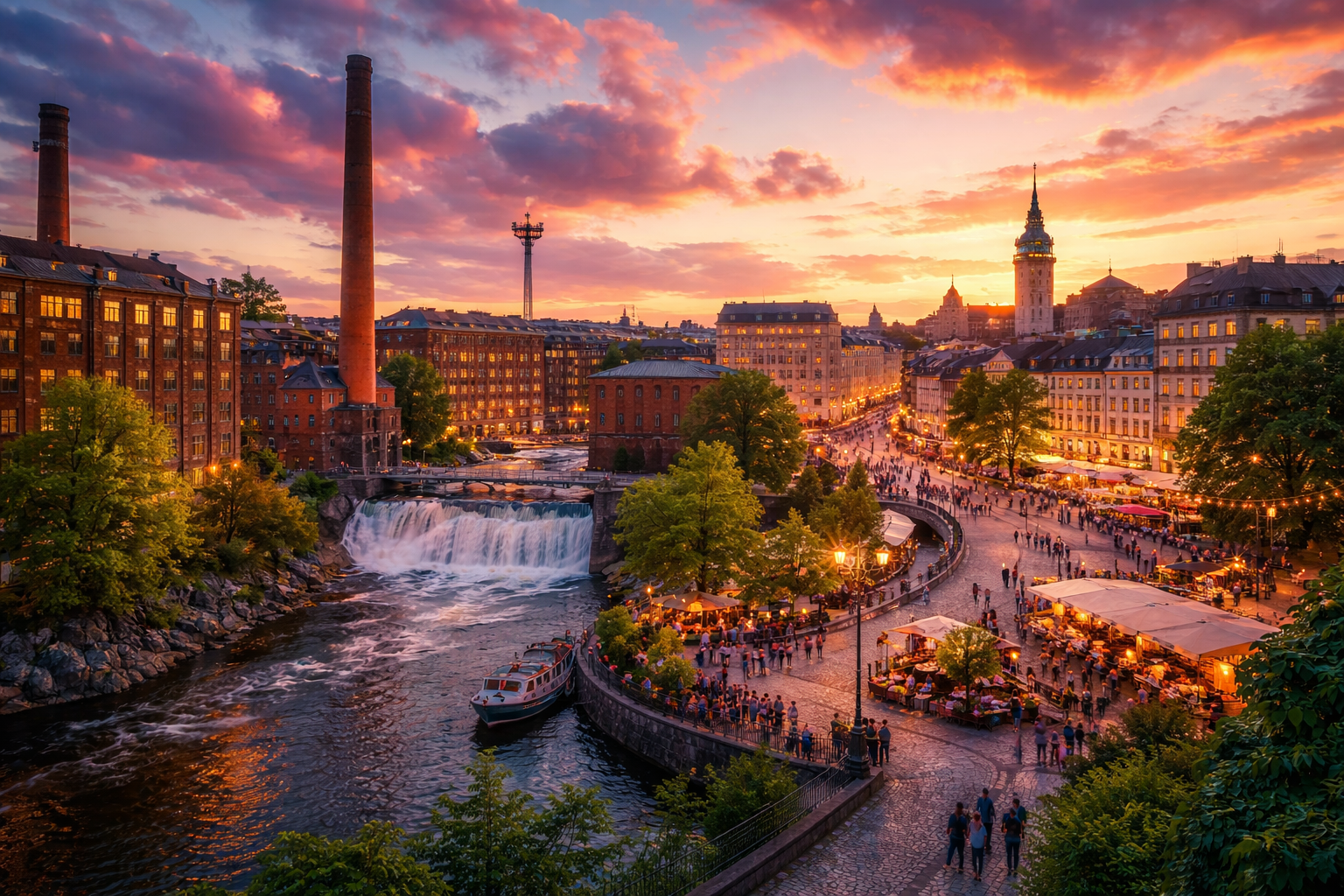
An image which may or may not be related to the article. FREEPIK
A Lonely Hobo Declares Tampere the Best City in the World and Honestly, He Might Be Right
Summary:
In a decision no international committee, government, or urban planning institute saw coming, a traveling hobo has crowned Tampere, Finland as the best city in the world. Armed with nothing but a backpack, a questionable sense of direction, and a half-empty bottle of coffee, he explains why this northern city beats every glittering metropolis on earth.
t happened on a gray morning that looked like someone had accidentally left the sky in sleep mode. The kind of morning where the wind crawls under your jacket and the pigeons look mildly offended by existence. I was standing near the Tammerkoski rapids when I noticed the man who would soon become the world’s most unexpected urban critic.
He had the posture of someone who had crossed several borders by accident and several more on purpose. A backpack that had clearly seen things. Boots that might have been black once, perhaps during the presidency of Urho Kekkonen. His beard had the philosophical density of a Scandinavian forest.
The man stared at the rushing water for a long time and then, with the calm authority of someone who has slept in train stations across three continents, he delivered his verdict.
“Tampere,” he said, pointing his coffee cup toward the skyline, “is the best city in the world.”
No panel. No statistics. No consulting firms. Just one hobo with windburned cheeks and the quiet certainty of a wandering prophet.
When asked how he had reached such a bold conclusion, he explained that he had traveled through cities with skyscrapers that pierced the clouds, streets that never slept, and cafes where the price of a sandwich could bankrupt a small republic. Yet none of them had the strange calm that lives in Tampere.
According to the hobo, Tampere has the rare quality of not trying too hard. The city sits between two lakes like a man leaning comfortably between two armchairs. The red brick factories look like they once worked very hard and then collectively decided they deserved a long break. The river cuts through the center of the city like a stubborn thought that refuses to leave.
He claimed the air smelled honest. Not aggressively clean like some sanitized Nordic brochure fantasy, but clean enough that a man who had slept next to several questionable dumpsters could still breathe with dignity.
He had wandered through parks where people jogged past him without suspicion, sat near the market square where the coffee was strong enough to restart a stopped heart, and watched trams glide by like quiet metal caterpillars.
In bigger cities, he explained, a hobo becomes invisible or suspicious. In Tampere he was simply another citizen having a slightly longer walk than usual.
He said the city had a rhythm. Not the frantic rhythm of capital cities where people sprint between meetings as if chased by invisible accountants. Tampere moved slower. It allowed time for the river to speak and for a man to think about the decisions that led him to eat gas station pastries at two in the morning.
By the time he finished his explanation, a few people had gathered nearby, half amused and half curious whether this wandering philosopher had discovered something urban planners had missed for decades.
He lifted his coffee cup again toward the skyline.
“You see those factories?” he said. “Cities that worked hard once and then learned to relax are the best kind.”
Then he shouldered his backpack, nodded politely to no one in particular, and began walking toward the train station.
Just like that, the world’s newest ranking of cities had been declared.
No charts. No spreadsheets. No economists.
Just one lonely hobo who had seen enough of the planet to know when a place felt like home.
He had the posture of someone who had crossed several borders by accident and several more on purpose. A backpack that had clearly seen things. Boots that might have been black once, perhaps during the presidency of Urho Kekkonen. His beard had the philosophical density of a Scandinavian forest.
The man stared at the rushing water for a long time and then, with the calm authority of someone who has slept in train stations across three continents, he delivered his verdict.
“Tampere,” he said, pointing his coffee cup toward the skyline, “is the best city in the world.”
No panel. No statistics. No consulting firms. Just one hobo with windburned cheeks and the quiet certainty of a wandering prophet.
When asked how he had reached such a bold conclusion, he explained that he had traveled through cities with skyscrapers that pierced the clouds, streets that never slept, and cafes where the price of a sandwich could bankrupt a small republic. Yet none of them had the strange calm that lives in Tampere.
According to the hobo, Tampere has the rare quality of not trying too hard. The city sits between two lakes like a man leaning comfortably between two armchairs. The red brick factories look like they once worked very hard and then collectively decided they deserved a long break. The river cuts through the center of the city like a stubborn thought that refuses to leave.
He claimed the air smelled honest. Not aggressively clean like some sanitized Nordic brochure fantasy, but clean enough that a man who had slept next to several questionable dumpsters could still breathe with dignity.
He had wandered through parks where people jogged past him without suspicion, sat near the market square where the coffee was strong enough to restart a stopped heart, and watched trams glide by like quiet metal caterpillars.
In bigger cities, he explained, a hobo becomes invisible or suspicious. In Tampere he was simply another citizen having a slightly longer walk than usual.
He said the city had a rhythm. Not the frantic rhythm of capital cities where people sprint between meetings as if chased by invisible accountants. Tampere moved slower. It allowed time for the river to speak and for a man to think about the decisions that led him to eat gas station pastries at two in the morning.
By the time he finished his explanation, a few people had gathered nearby, half amused and half curious whether this wandering philosopher had discovered something urban planners had missed for decades.
He lifted his coffee cup again toward the skyline.
“You see those factories?” he said. “Cities that worked hard once and then learned to relax are the best kind.”
Then he shouldered his backpack, nodded politely to no one in particular, and began walking toward the train station.
Just like that, the world’s newest ranking of cities had been declared.
No charts. No spreadsheets. No economists.
Just one lonely hobo who had seen enough of the planet to know when a place felt like home.